


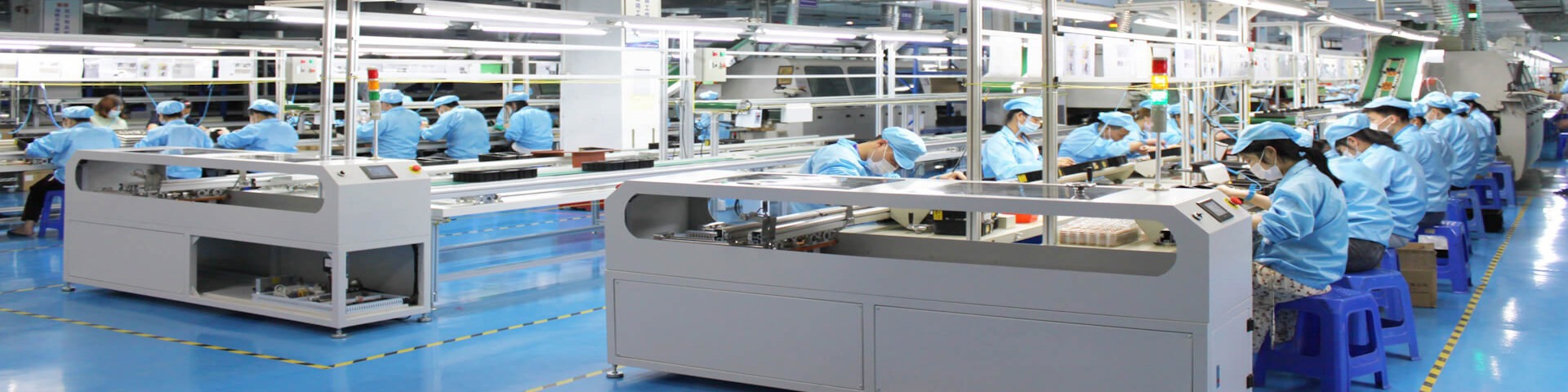


В современном мире, где энергоэффективность становится ключевым фактором конкурентоспособности, энергосберегающие гидравлические насосы представляют собой настоящий прорыв. Эти инновационные устройства не только улучшают производительность, но и способны сократить операционные расходы на целых 50%. В этой статье мы глубоко погрузимся в тему, объясняя, как работают эти насосы, почему они так эффективны, и как вы можете внедрить их в свой бизнес для максимальной экономии.
Гидравлические насосы — это сердце многих промышленных систем, от manufacturing до строительства. Они преобразуют механическую энергию в гидравлическую, обеспечивая движение жидкостей под давлением. Традиционные насосы часто работают с постоянной скоростью, потребляя энергию даже когда нагрузка низкая. Это приводит к значительным потерям и высоким счетам за электроэнергию.
Энергосберегающие насосы, напротив, используют передовые технологии, такие как переменная скорость вращения (VSD - Variable Speed Drive) или интеллектуальное управление, чтобы адаптировать энергопотребление к реальным потребностям системы. Это означает, что насос работает только на столько, сколько необходимо, уменьшая избыточное энергопотребление и износ оборудования.
Ключевое преимущество: снижение энергопотребления на 20-50% по сравнению с традиционными насосами, что напрямую переводится в экономию затрат.
Экономия затрат на 50% — это не маркетинговый ход, а реальный результат, основанный на физических принципах и инженерных решениях. Вот основные механизмы:
Исследования показывают, что в среднем предприятия сообщают о снижении энергопотребления на 30-50% после перехода на такие насосы, с окупаемостью инвестиций often within 1-2 years.
Чтобы понять, как эти насосы работают, давайте рассмотрим ключевые технологии:
VSD позволяют насосу изменять скорость в зависимости от demand. This is achieved through frequency converters that adjust the motor speed. For example, in a pumping system, if the flow requirement drops, the VSD reduces the speed, saving energy proportional to the cube of the speed reduction (according to affinity laws).
Многие насосы now come with IoT capabilities and software that predicts demand patterns, optimizes operation, and provides real-time analytics. This not only saves energy but also extends equipment life.
Использование premium материалов, such as advanced composites and efficient motor designs, reduces energy losses due to friction and heat.
These technologies combine to create a system that is not only energy-efficient but also more reliable and easier to maintain.
Помимо direct cost savings, energy-efficient hydraulic pumps offer several other benefits:
For instance, a case study in the manufacturing industry showed that a factory reduced its energy bills by 45% and cut maintenance costs by 20% after upgrading to energy-efficient pumps.
Let's look at some real-world examples to illustrate the impact:
A major car manufacturer in Germany replaced its old hydraulic pumps with energy-efficient models. Result: Energy consumption dropped by 50%, saving over €100,000 annually. The investment paid back in less than 18 months.
A municipal water plant in Russia implemented VSD-equipped pumps. They saw a 40% reduction in energy use and improved water flow consistency, leading to better service for residents.
By using energy-efficient pumps in their machinery, a construction firm reduced fuel consumption in diesel-powered systems by 30%, translating to lower operational costs and fewer emissions.
These examples demonstrate that the savings are achievable across various industries and applications.
Selecting the right pump is crucial for maximizing savings. Here are some tips:
It's also advisable to work with experienced engineers or suppliers who can provide tailored solutions.
Implementing energy-efficient pumps involves several steps:
Many companies offer turnkey solutions that handle everything from assessment to maintenance.
The future looks bright for this technology. Trends include:
Investing in energy-efficient pumps today not only saves money but also future-proofs your operations.
Энергосберегающие гидравлические насосы — это не просто trend, а necessity для modern industries. Снижая затраты на 50%, они offer a compelling return on investment while promoting sustainability. Whether you're in manufacturing, construction, or any other sector, upgrading to these pumps can transform your bottom line.
Take action today: evaluate your current systems, consult with experts, and start your journey towards energy efficiency. The savings and benefits are waiting to be unlocked.
Remember, every bit of energy saved contributes to a greener planet and a healthier profit margin.
О: Стоимость varies depending on size and technology, but typically ranges from几千到几十万 рублей. ROI often makes it worthwhile within 1-3 years.
О: Да, many systems can be retrofitted with VSD or efficient components without full replacement.
О: Use energy meters and software to track consumption before and after installation. Many suppliers provide monitoring tools.
О: In some countries, yes. Check local programs for grants or tax credits for energy-efficient upgrades.
For more information, contact us or visit our website. Let's work together to save energy and money!

Местонахождение: 310, Building 2, Dayang Electric Factory, No. 4, Industrial Avenue, Tangwei Community, Fuhai Subdistrict, Shenzhen, Guangdong, China
Горячая линия: 1388xx888xx
Мобильные телефоны: 1388xx888xx