


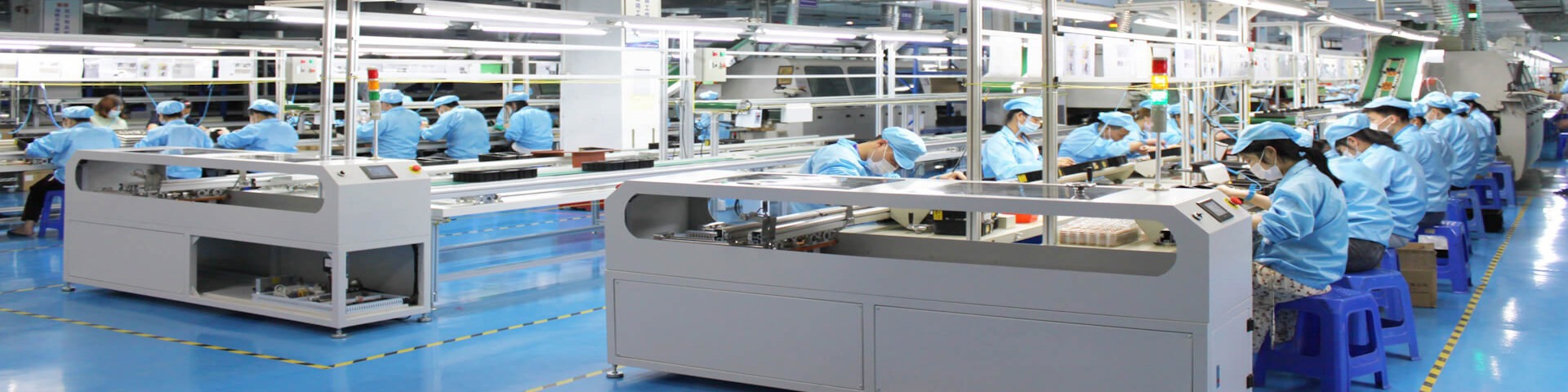


Аннотация: В современной промышленности эффективность производства является критическим фактором для конкурентоспособности и устойчивого роста. Гидравлические цилиндры играют ключевую роль в этом контексте, обеспечивая надежное и мощное движение в различных отраслях. Эта статья исследует, как гидравлические цилиндры способствуют повышению эффективности, анализирует их применение, преимущества и будущие инновации, предлагая стратегические рекомендации для промышленных предприятий.
Промышленное производство постоянно стремится к повышению эффективности, сокращению затрат и увеличению производительности. Гидравлические цилиндры, как основные компоненты гидравлических систем, являются незаменимыми инструментами в этом процессе. Они преобразуют гидравлическую энергию в механическое движение, обеспечивая высокую силу и точность в таких областях, как машиностроение, строительство, сельское хозяйство и автомобильная промышленность. В этой статье мы углубимся в то, как гидравлические цилиндры служат ключом к эффективности производства, обсуждая их функциональность, преимущества и стратегическое значение.
Эффективность производства не просто означает быстрее производить больше; она включает оптимизацию ресурсов, минимизацию отходов и повышение качества продукции. Гидравлические цилиндры способствуют этому через свою способность работать в тяжелых условиях, обеспечивать стабильную производительность и интегрироваться с автоматизированными системами. Например, в производственных линиях они используются для перемещения тяжелых грузов, прессования материалов и управления оборудованием, что сокращает время простоя и повышает общую эффективность.
Кроме того, с развитием технологий, гидравлические цилиндры эволюционировали, включая умные функции, такие как датчики и системы мониторинга, которые позволяют прогнозировать обслуживание и предотвращать сбои. Это не только улучшает надежность, но и снижает эксплуатационные расходы, делая их еще более ценными для промышленности. В следующих разделах мы подробно рассмотрим эти аспекты, начиная с основ гидравлических цилиндров и заканчивая их ролью в будущем промышленности.
Гидравлический цилиндр — это механическое устройство, которое использует жидкость под давлением для создания линейного движения и силы. Основные компоненты включают цилиндр, поршень, шток и уплотнения. Когда гидравлическая жидкость подается в цилиндр, она толкает поршень, вызывая движение штока. Это движение может быть использовано для выполнения различных задач, таких как подъем, толкание или pulling.
Существует несколько типов гидравлических цилиндров, каждый из которых предназначен для specific applications. Наиболее распространенные типы включают:
Выбор правильного типа цилиндра зависит от specific requirements of the application, including force needed, stroke length, speed, and environmental conditions. Например, в high-pressure environments, цилиндры с reinforced designs и advanced seals используются для ensure durability and reliability.
Понимание основ гидравлических цилиндров необходимо для оценки их вклада в эффективность производства. Их способность generate high forces with precision makes them superior to other actuation methods, such as pneumatic or electric systems, in many industrial scenarios. This efficiency translates to faster production cycles, reduced energy consumption, and lower maintenance costs, which we will explore in the following sections.
Гидравлические цилиндры находят применение в широком спектре отраслей, каждая из которых leverages their unique capabilities to enhance efficiency. Let's explore some key sectors:
В машиностроении гидравлические цилиндры используются в станках, прессах и assembly lines. Например, в metal forming presses, они обеспечивают precise control over force and speed, allowing for high-quality production with minimal defects. This reduces waste and increases throughput. Additionally, in automated manufacturing systems, цилиндры integrated with sensors enable real-time monitoring and adjustment, further optimizing efficiency.
В строительной отрасли гидравлические цилиндры являются critical components in equipment such as excavators, bulldozers, and cranes. Они позволяют equipment to handle heavy loads and perform complex movements with ease. For instance, in an excavator, цилиндры control the boom, arm, and bucket, enabling efficient digging and lifting operations. This not only speeds up construction projects but also enhances safety by reducing manual labor.
В сельском хозяйстве гидравлические цилиндры используются в tractors, harvesters, and other machinery to automate tasks like plowing, planting, and harvesting. Они provide the force needed to operate implements, increasing productivity and reducing the time required for farm operations. This contributes to higher crop yields and lower operational costs, making agriculture more efficient and sustainable.
В automotive industry, гидравлические цилиндры are employed in assembly lines for tasks such as welding, painting, and part handling. Они ensure precise positioning and movement, which is essential for maintaining quality and efficiency in mass production. Moreover, in vehicle systems like brakes and suspensions, цилиндры enhance performance and safety, indirectly supporting production efficiency by reducing recalls and defects.
These examples illustrate how гидравлические цилиндры are integral to industrial processes. By enabling automation, reducing manual intervention, and improving precision, они directly contribute to increased efficiency. In the next section, we will delve into the specific advantages that make them so effective.
Гидравлические цилиндры offer numerous advantages that make them key to production efficiency. These include:
For example, in a manufacturing plant, the use of гидравлические цилиндры in a press machine can increase production speed by 20% while reducing energy consumption by 15%, as documented in case studies. Such improvements directly translate to higher efficiency and profitability.
Moreover, the advent of smart гидравлические цилиндры with IoT capabilities allows for predictive maintenance, where potential issues are identified before they cause failures. This proactive approach further enhances efficiency by preventing unplanned downtime and extending equipment life.
In summary, the combination of power, precision, reliability, and adaptability makes гидравлические цилиндры indispensable for modern industrial efficiency. As we move forward, innovations in this field will continue to amplify these benefits.
The future of гидравлические цилиндры is shaped by technological advancements that promise to further enhance production efficiency. Key trends include:
Гидравлические цилиндры are increasingly being equipped with sensors and connectivity features, allowing them to be part of smart factories. This integration enables real-time data collection on performance, wear, and efficiency, facilitating optimized operations and predictive maintenance. For instance, AI algorithms can analyze data from цилиндры to predict failures and schedule maintenance, reducing downtime by up to 30%.
New materials, such as composites and advanced alloys, are making цилиндры lighter, stronger, and more corrosion-resistant. This extends their lifespan and reduces the need for replacements, contributing to long-term efficiency. Additionally, innovative designs, like miniaturized цилиндры for precision applications, are expanding their use in sectors like electronics and medical devices.
There is a growing focus on developing eco-friendly гидравлические системы that use biodegradable fluids and energy-efficient components. This not only reduces environmental impact but also lowers operational costs, aligning efficiency with sustainability. For example, hybrid systems that combine hydraulic and electric power are gaining traction, offering the best of both worlds in terms of power and efficiency.
As automation becomes more prevalent, гидравлические цилиндры are being integrated into robotic systems for tasks requiring high force and precision. This trend is expected to accelerate, with projections indicating a 25% increase in the use of hydraulic components in robotics over the next decade, further driving production efficiency.
These innovations ensure that гидравлические цилиндры will remain relevant and even more critical to industrial efficiency in the future. Companies that adopt these advancements early will gain a competitive edge through improved productivity and reduced costs.
To leverage гидравлические цилиндры for maximum efficiency, industrial enterprises should consider the following strategic recommendations:
By adopting these strategies, companies can fully harness the potential of гидравлические цилиндры to boost production efficiency, reduce costs, and stay competitive in the global market.
В заключение, гидравлические цилиндры являются фундаментальным компонентом современной промышленности, играя ключевую роль в повышении эффективности производства. Их способность обеспечивать высокую силу, точность и надежность делает их незаменимыми в различных отраслях, от машиностроения до строительства. С развитием технологий, такие инновации, как умные цилиндры и интеграция с Industry 4.0, further enhance their contribution to efficiency.
Промышленные предприятия, которые инвестируют в современные гидравлические системы и adopt strategic approaches to their use, can achieve significant improvements in productivity, cost reduction, and sustainability. As we look to the future, гидравлические цилиндры will continue to evolve, offering even greater opportunities for efficiency gains.
Ultimately, recognizing and leveraging the power of гидравлические цилиндры is essential for any organization aiming to thrive in the competitive industrial landscape. By doing so, they can unlock new levels of performance and efficiency, ensuring long-term success.

Местонахождение: 310, Building 2, Dayang Electric Factory, No. 4, Industrial Avenue, Tangwei Community, Fuhai Subdistrict, Shenzhen, Guangdong, China
Горячая линия: 1388xx888xx
Мобильные телефоны: 1388xx888xx